Tvilum Knowledge · Buyer's guide
How to choose a furniture manufacturing partner in Europe
Choosing a furniture manufacturing partner is a long-term business decision. Product development, listings and logistics integration often outlive the first order. Professional buyers therefore assess the company behind the quotation. These five questions help you distinguish between a supplier you simply buy from and a partner you can build a range with.
1. Where will the products be made, and who controls the production?
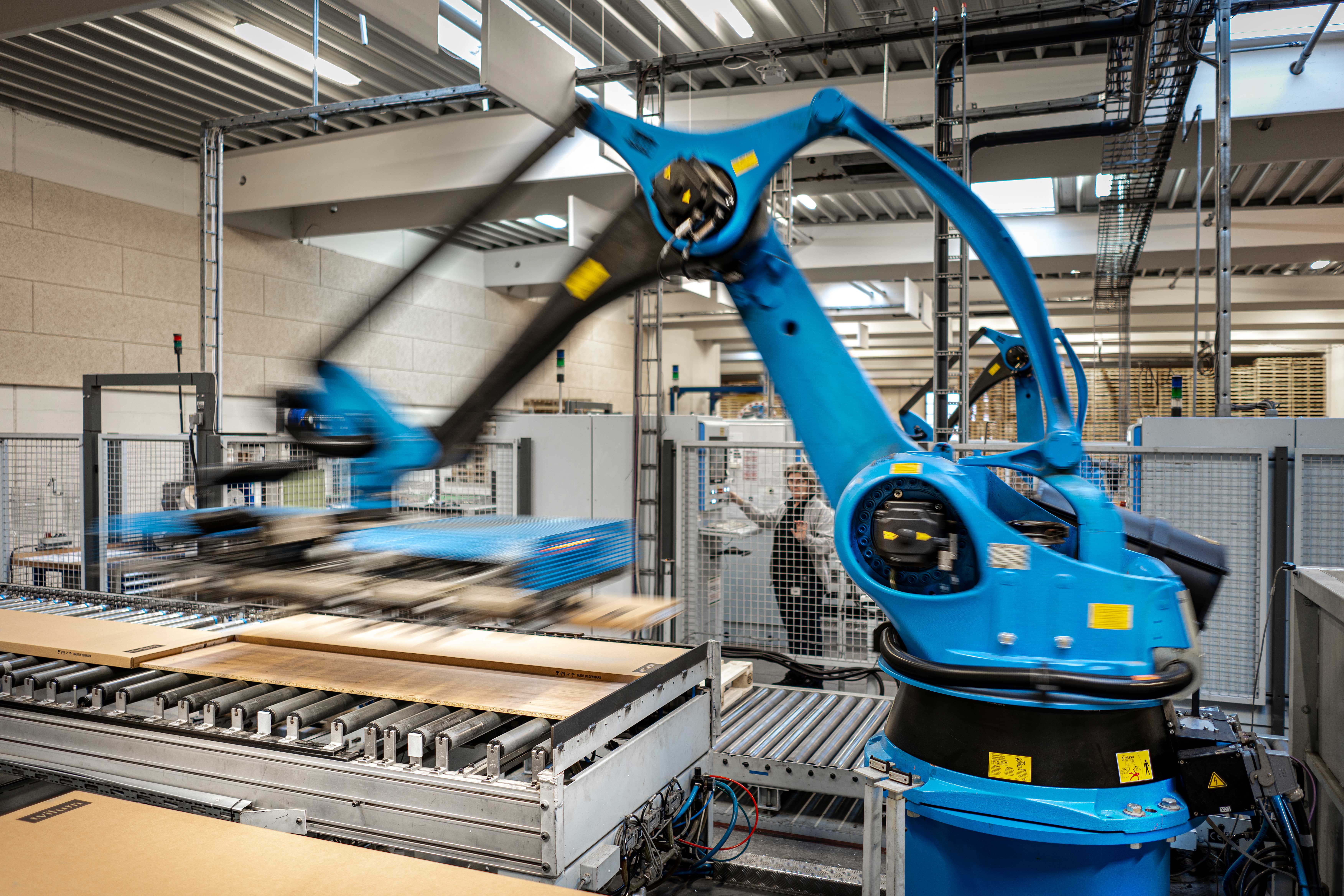
Start with the production setup. A manufacturer with its own operations has direct control over quality, capacity and priorities. A partner working through external factories may still be the right choice, but the responsibilities must be clear.
Ask where the product will be made, who operates the production line, which processes are handled in-house and whether you can visit the facility. Clear answers make it easier to understand where decisions are made and who is accountable when something changes.
2. Can they support a collection over the long term?
Furniture collections are planned over several years. Ownership, operational stability, manufacturing experience and investment in people and equipment all indicate whether a supplier is prepared for the full life of the range, not only the first order.
Ask how the company has handled changes in demand, raw-material pressure and new sales channels. A strong partner should be able to show how it has adapted while continuing to support existing customers.
3. Can they document compliance clearly and consistently?
Certified materials, relevant EN standards, product-safety documentation, chemical compliance and external audits are basic requirements in modern retail. The important question is not whether a supplier mentions compliance, but whether the documentation is structured, current and readily available.
Ask to see the documents relevant to your product and market. Certification scope can vary by product line and market, so the documentation should match the range you are buying.
Buyers may also need product and packaging data for sustainability reporting and regulatory compliance. This can include carbon-footprint information, material-origin data for EU Deforestation Regulation due diligence, and packaging data relevant to the Packaging and Packaging Waste Regulation (PPWR) and extended producer responsibility requirements. Ask which data the supplier can provide and in what format.
4. Are they prepared for e-commerce and parcel distribution?
If part of your volume is sold online, the manufacturer becomes part of your e-commerce operation. Packaging design, pack density, drop and vibration testing, labelling and assembly logic all influence damage, returns and customer experience.
Ask how the packaging is developed, which tests it must pass before launch (for example ISTA drop protocols) and which distribution models the manufacturer already supports. Experience with retail distribution, marketplaces and dropship collections can reduce the number of new processes that must be built around your range.
5. What support is available beyond the furniture?
A modern launch needs more than finished cartons. Product data, 3D imagery, marketing content, packaging information and clear assembly instructions must be ready for listings, customer service and distribution.
Ask which assets are included as standard, which can be developed for the collection and when they will be delivered. When product and content development are coordinated, the range is easier to launch and maintain.
Running the audit
Put the same five questions to every candidate: production control, long-term capability, compliance, parcel readiness and support beyond the product. Compare what each company can demonstrate, not only what it promises. Scoring each answer on the same scale turns five sales conversations into one comparison and makes the risks far easier to see.
Tvilum has manufactured ready-to-assemble furniture since 1965. Across its own operations in Denmark and Poland, the company combines product development, large-scale production, packaging expertise, logistics and retail-ready content. Tvilum is FSC® (FSC-C021084) and PEFC (PEFC/09-31-010) chain-of-custody certified. Tvilum offers FSC®- and PEFC-certified products. Look for the label on each product.
Discuss your next furniture collection
If you are reviewing a range or looking for a European production partner, start a conversation with Tvilum.